What a typical recovery looks like
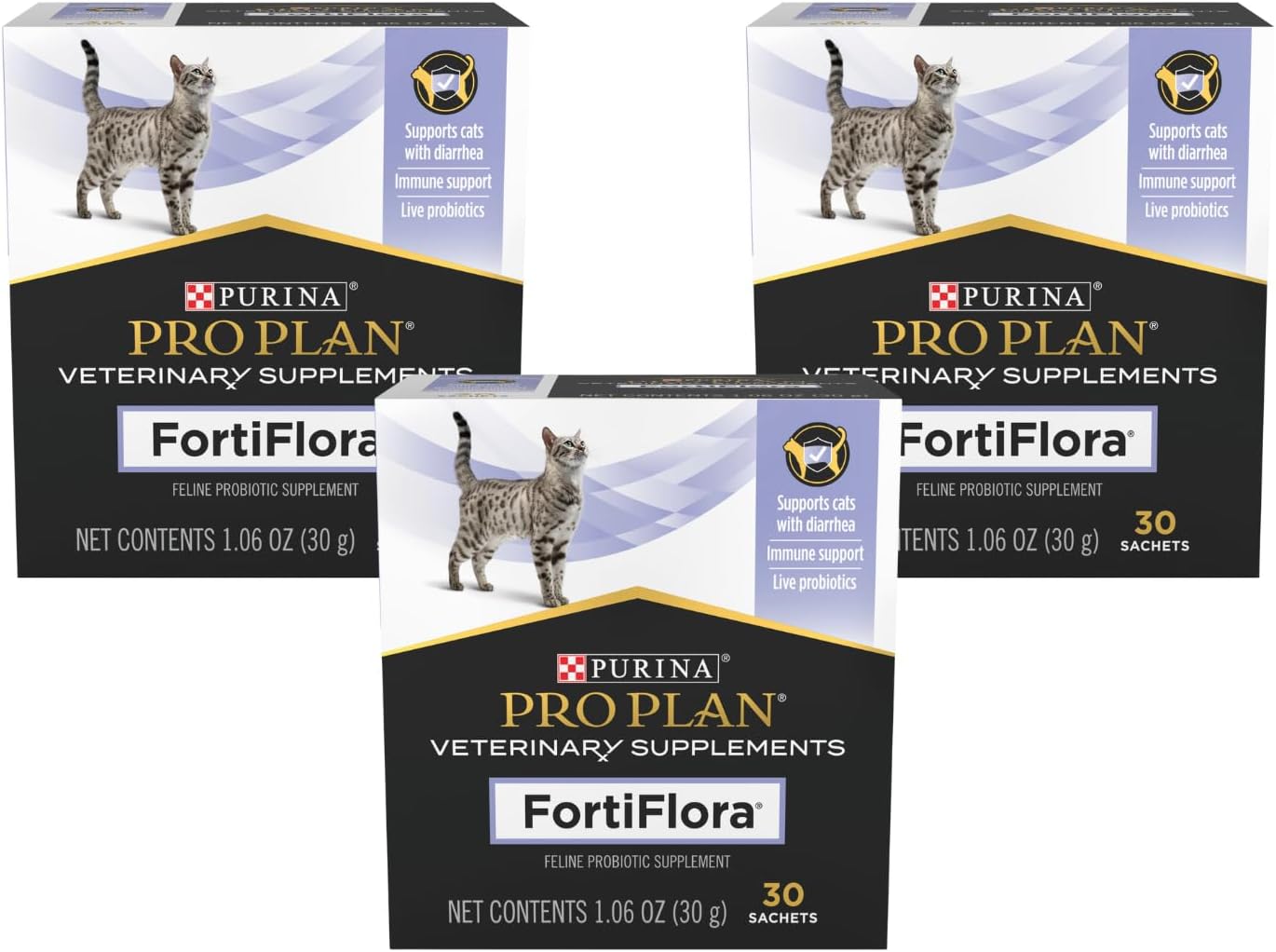
After a standard antibiotic course in a dog, the gut microbiome is depleted. FortiFlora starts replacing the beneficial bacteria, but full recovery is a process, not an event. The typical timeline runs 5 to 10 days for stool to firm back up, with longer courses needing more recovery time.
A rough breakdown:
- 3-7 day antibiotic course (typical for mild infections): 5-7 days of FortiFlora before stool normalizes
- 7-14 day course (UTIs, skin infections): 7-10 days of recovery
- 14-21 day course (deep infections, oral surgery, mastitis): 10-14 days of recovery
- Extended courses over 3 weeks (chronic infections): 2-3 weeks of recovery, sometimes longer
The relationship isn't strictly linear — longer antibiotic exposure produces more microbiome disruption, and that takes proportionally longer to rebuild.
Which antibiotics hit the gut hardest
Some antibiotics are more disruptive than others:
Metronidazole is particularly hard on gut flora. Ironically, it's often used to treat the diarrhea itself, then the diarrhea returns when it's stopped. Recovery from a metronidazole course typically takes 7-10 days with FortiFlora support.
Amoxicillin and amoxicillin-clavulanate disrupt gram-positive and some gram-negative populations broadly. Common in dog medicine; recovery is usually 5-7 days post-course.
Clindamycin kills anaerobes effectively, which means it knocks out a major portion of normal gut flora. Recovery often takes 10-14 days.
Doxycycline is generally gentler on the gut microbiome than the above. Recovery usually within a week.
Enrofloxacin (Baytril) falls in the moderate-disruption category. Typical recovery 7-10 days.
If you know which antibiotic your dog was on, you can adjust expectations.
When to start FortiFlora — timing matters
The most common mistake is waiting until after the antibiotic course ends to start the probiotic. The better approach is starting FortiFlora during the antibiotic course, on day 1 or day 2.
A few practical points:
Space the doses. Give FortiFlora at least 2 hours apart from the antibiotic. The probiotic bacteria are alive; some antibiotic in the gut simultaneously knocks them out. Two hours of separation lets each work without immediate interference.
Continue past the antibiotic course. Don't stop FortiFlora the day the antibiotic ends. Plan to continue for 7-14 days after the antibiotic course completes.
Starting late still helps. If you didn't think of it until after the antibiotics finished, start FortiFlora as soon as you remember. The recovery just takes a few days longer.
What's happening biologically
For owners curious about the underlying picture:
When antibiotics wipe out normal flora, several things happen:
- Total bacterial count drops
- Specific beneficial species (especially Bacteroides and certain Firmicutes) lose ground
- Opportunistic organisms (Clostridium difficile, certain E. coli strains) sometimes expand
- Short-chain fatty acid production drops, which affects gut wall integrity
- The gut wall becomes more permeable temporarily, allowing more inflammation
FortiFlora's E. faecium SF68 occupies space and resources that opportunistic bacteria would otherwise use. It also produces compounds that gradually shift the gut environment back toward beneficial flora.
This rebuilding process is what takes the 5-10 days.
Signs recovery is on track
Day-by-day patterns that indicate things are going well:
- Day 3-5 post-course: Stool consistency starts firming. May still be soft.
- Day 5-7: Most bowel movements are formed, even if soft. Frequency back near baseline.
- Day 7-10: Mostly normal stool. Energy and appetite back to baseline.
- Day 10-14: Stool fully formed, consistent.
If your dog isn't tracking this pattern, something else may be going on.
When recovery stalls
A few situations where post-antibiotic diarrhea doesn't resolve in the expected window:
C. difficile overgrowth. Sometimes antibiotics knock out enough normal flora that C. difficile takes over. Stool becomes loose, smelly, sometimes bloody. Doesn't respond to probiotics alone — needs specific treatment.
Underlying GI condition unmasked. Antibiotics sometimes reveal an existing condition (food sensitivity, IBD) that was previously managed by intact gut flora. Recovery requires addressing the underlying issue.
Reinfection. If the original infection wasn't fully cleared, symptoms may continue or return.
Drug-resistant flora emerging. Long antibiotic courses can select for resistant bacteria. Stool changes may continue until the situation resolves on its own or with additional treatment.
If recovery hasn't progressed by day 14 after the antibiotic course ends, talk to your vet.
What helps speed recovery
A few things consistently help:
- Bland diet for the first 5 days post-antibiotic
- Smaller, more frequent meals
- Plenty of fresh water
- Minimal stress during recovery
- Consistent FortiFlora dosing — don't skip days
What doesn't help:
- Adding multiple new supplements at once
- Returning to a high-fat or high-fiber diet too quickly
- Treating with multiple probiotics simultaneously
- Aggressive exercise during the recovery period
Bottom line
For most antibiotic courses, plan on 5-10 days of post-course FortiFlora support. Longer courses need proportionally longer recovery. Start the supplement during the antibiotic course if you can, and continue at least a week after the course ends.
When to call your vet
- Diarrhea getting worse after antibiotic course ends, not better
- Blood in stool at any point during recovery
- Recovery taking longer than 14 days post-antibiotic
- New symptoms appearing (vomiting, lethargy, weight loss)
- The original infection symptoms returning
- This is a repeat post-antibiotic diarrhea event in the same dog