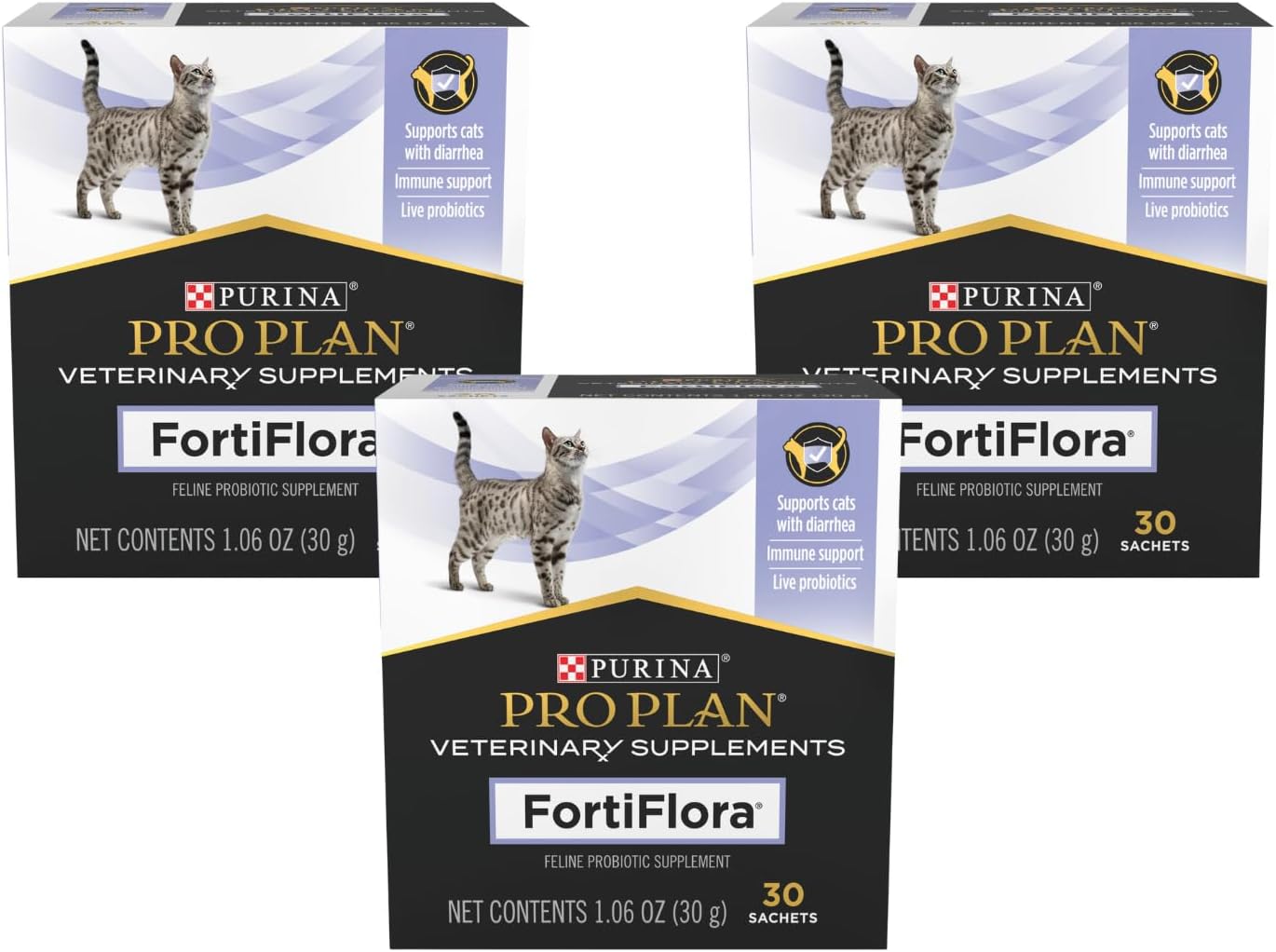
Pregnancy and loose stools
Mild GI changes during pregnancy in dogs are common. The combination of hormonal changes, growing uterus pressing on the gut, dietary shifts during the pregnancy, and immune system modulation all contribute. Many pregnant dogs experience some degree of loose stool, mild gas, or appetite variation during the 9-week gestation.
Most of this is normal and self-limiting. When loose stools become persistent or severe, supportive care like FortiFlora can help.
Is FortiFlora safe during pregnancy
The general answer is yes, with vet approval. Several factors support this:
**The active strain (E. faecium SF68) is non-pathogenic.** It doesn't cause disease in healthy animals or in their offspring.
Clinical experience supports safe use. Vets have used FortiFlora in pregnant dogs without reported issues for years. Plenty of pregnant dogs on FortiFlora have produced healthy litters.
The strain doesn't cross the placenta. The mother's GI tract is where the bacteria live; they don't enter the bloodstream or pass to fetal circulation.
The ingredients aren't teratogenic. The supporting ingredients (animal digest, antioxidants, bulking agents) don't have known harmful effects on fetal development.
What we don't have: a formal, large-scale safety study specifically on pregnancy outcomes. The use is supported by extensive clinical experience rather than controlled trials.
When to talk to your vet first
Some situations make the vet conversation more important:
First pregnancy in this dog. A baseline vet evaluation matters more for first litters.
High-risk pregnancy. Older mothers, dogs with health conditions, very large or very small breeds with known whelping complications.
Dogs on other medications. Most are compatible with FortiFlora, but worth confirming.
Severe loose stools. Anything beyond mild needs vet evaluation regardless of supplement plans.
Late-stage pregnancy. New supplements in the last 2 weeks before whelping warrant a quick check-in.
For routine, mild loose stool in a healthy pregnancy with vet care already established, adding FortiFlora is generally fine. Mention it at the next checkup.
Practical dosing during pregnancy
Standard dose: one packet daily, mixed into food. Same as for non-pregnant dogs.
A few specific notes:
- Consistent timing helps. Pregnant dogs benefit from predictable routines. Same time every day.
- Mix into wet food during late pregnancy. Pregnant dogs sometimes go off dry kibble in the last 2-3 weeks. Wet food with FortiFlora is more reliably accepted.
- Continue through whelping. No need to stop the day labor begins. Resume normal dosing once the mother is settled with her puppies.
- Continue through nursing. Many vets recommend keeping the mother on FortiFlora during lactation to support her recovering gut and indirectly benefit the puppies.
Why pregnancy-related loose stools happen
A few specific mechanisms:
Hormonal changes. Progesterone affects gut motility. Some dogs slow down, some speed up.
Mechanical pressure. As the uterus grows in late pregnancy, it physically compresses GI structures. This affects normal motility and can produce loose stool or constipation.
Dietary changes. Many pregnant dogs are switched to higher-calorie food (puppy food, performance formulas) during pregnancy. The transition itself causes GI changes.
Increased food intake. Pregnant dogs eat more, especially in late pregnancy. More food through a compressed gut can produce softer stool.
Stress. Boarding, vet visits, or other stress events during pregnancy add to GI sensitivity.
FortiFlora addresses the microbiome side of these factors and helps the mother adapt.
What FortiFlora won't help with
Some pregnancy-related GI issues need more than probiotic support:
Severe vomiting. Possible early labor, eclampsia, or other complications. Vet visit.
Bloody stool. Always a vet call. Multiple possible causes in pregnant dogs.
Refusal to eat for more than 24 hours. Pregnant dogs need consistent calorie intake. Persistent food refusal needs evaluation.
Diarrhea plus lethargy. Could indicate metritis, infection, or other complications.
Symptoms only appearing in late pregnancy. Some pregnancy complications mimic GI issues. Don't assume.
For any of these, FortiFlora isn't a substitute for veterinary attention.
What about the puppies
A few related questions come up:
Will the bacteria pass to the puppies during whelping? Some bacterial transfer happens during normal birth (from mother's vaginal and skin flora to newborn). The E. faecium SF68 specifically doesn't significantly populate vaginal flora, so the transfer is minimal. Newborns get most of their initial gut flora from the mother's milk and skin contact.
Will FortiFlora through nursing reach the puppies? Minimally, if at all. The strain doesn't transfer significantly through milk. Puppies who need probiotic support get their own dose appropriate for newborns (a small amount on a wet finger, vet-supervised).
Should newborn puppies get FortiFlora? Only under vet supervision and for specific reasons (fading puppy syndrome, post-C-section colonization, orphan formula feeding). Not a routine supplement at this age.
What about natural alternatives
Some owners ask whether to use yogurt, kefir, or other natural alternatives during pregnancy instead of FortiFlora. A few considerations:
- Natural alternatives have inconsistent dosing
- Strain effectiveness varies
- Dairy can produce its own GI symptoms in some dogs
- The pregnancy isn't the time to experiment with unknowns
If your dog has tolerated yogurt or kefir well before pregnancy and you're using it for general support, continuing is reasonable. If you're starting something new specifically for pregnancy-related GI symptoms, FortiFlora has the dose consistency and clinical track record.
Bottom line
FortiFlora is generally safe for pregnant dogs and helpful for mild loose stools during pregnancy. Talk to your vet, especially for first pregnancies or any complicating factors. Continue through whelping and nursing if needed. For severe or unusual symptoms, the supplement isn't a substitute for veterinary attention.
When to call your vet
- Any GI symptoms in late pregnancy (last 2 weeks)
- Severe diarrhea, vomiting, or refusal to eat
- Blood in stool at any point
- Lethargy or weakness in the mother
- Signs of early labor (more than 5 days before due date)
- Any first-time pregnancy symptoms that concern you
- Symptoms persisting more than 2-3 days despite supplement support