Why chronic gas is different from acute
Acute gas — the kind that shows up after a single dietary indiscretion or during an adjustment period — resolves on its own or with brief probiotic support. Chronic gas is different. It's been going on for weeks or months, comes back even when food is consistent, and tends to have multiple contributing factors.
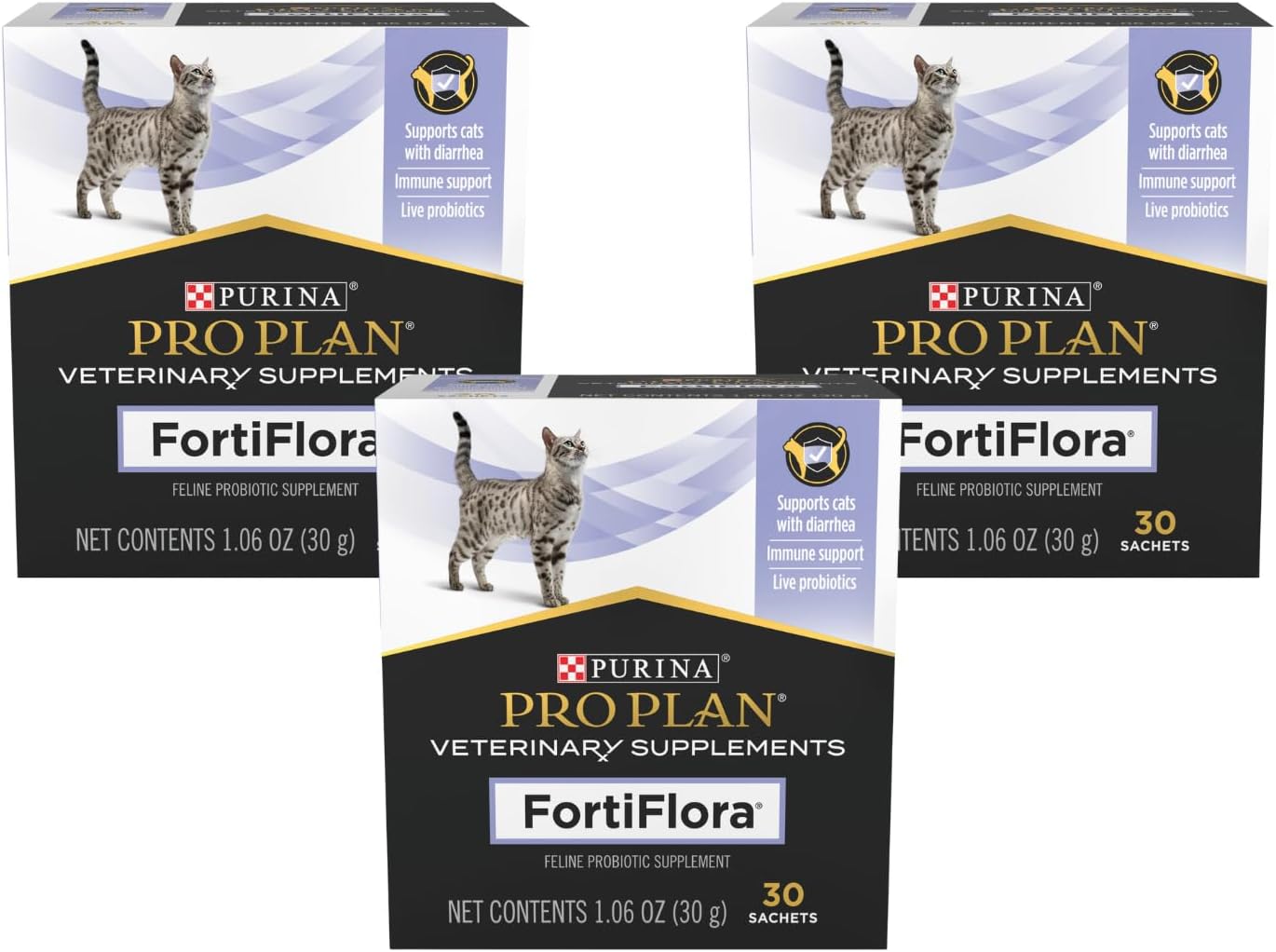
For chronic gas specifically, FortiFlora isn't a quick fix. The timeline runs 2-4 weeks of consistent daily use before you can fairly evaluate whether it's helping, and even then the improvement is often partial rather than complete.
Why chronic gas takes longer to address
Chronic gas usually means one or more of the following is going on:
Persistent microbiome imbalance. The gut bacteria population is skewed toward gas-producing species. Rebalancing this takes time, especially when the diet keeps feeding the imbalance.
Slower gut motility. Some dogs have inherently slower digestion. Food sits longer, ferments more, produces more gas. Probiotics help at the margins but don't speed motility.
Food intolerance or sensitivity. Certain ingredients consistently produce gas in some dogs — legumes, certain proteins, high-fiber foods. Probiotics reduce the severity but don't remove the trigger.
Air swallowing. Fast eaters, brachycephalic breeds, dogs that drink from shallow bowls — all swallow air. This air becomes gas. Probiotics don't help with this at all.
Chronic mild GI inflammation. Low-grade IBD or other inflammatory conditions can produce ongoing gas. Probiotics support gut health but don't address the inflammation directly.
A realistic timeline for chronic gas
For dogs where probiotic support is going to help:
- Week 1: No clear change. Sometimes mild increase in gas during the adjustment phase.
- Week 2: Gas frequency may start dropping. Day-to-day variation lessens.
- Week 3: More noticeable improvement. Lower severity overall.
- Week 4: Stable improvement if it's going to work. Probably not gone, but reduced.
If 4 weeks of consistent FortiFlora daily haven't produced any improvement in chronic gas, the probiotic isn't the right tool for this dog's situation. Look at other causes.
What slower improvement looks like vs no improvement
It can be hard to tell whether something is working slowly or not at all. A few markers:
Working slowly:
- Gas frequency or severity gradually decreasing week over week
- Bad days are less bad than they were
- Energy and appetite stable
- Stool quality improving alongside gas reduction
- Owner notices the difference even if it's not dramatic
Not working:
- No change in gas frequency or severity
- Same number of bad days per week as before starting
- No improvement in associated symptoms (loose stool, bloating)
- Owner can't tell if anything has changed at all by week 4
For the "not working" pattern, stopping FortiFlora and trying a different approach is reasonable.
What goes alongside FortiFlora for chronic gas
A few interventions that often help more than the probiotic alone:
Diet review. If your dog is on a food known to produce gas (high legume content, certain proteins they don't tolerate well), changing food matters more than adding probiotics. Many dogs see dramatic improvement just from a food change.
Slow-feeder bowl. For dogs that inhale food and gulp air, a slow feeder reduces the swallowing-air component. Cheap and effective.
Smaller, more frequent meals. Three smaller meals daily often produces less gas than two larger ones.
Reduce treats and table food. Variable extras feed gut microbiome inconsistency. A simpler diet often reduces chronic gas more than any supplement.
Light walks after meals. Gentle movement helps gas pass through rather than building up.
Reduce fermentable fibers. Some commercial foods are high in pumpkin, sweet potato, or chickpeas — all known gas producers. Lower-fiber options may help.
When chronic gas means something else
A few patterns suggest the problem isn't dietary or microbial:
- Gas with abdominal pain or discomfort. Suggests an inflammatory or motility issue.
- Gas with weight loss. Possible malabsorption — needs a vet workup.
- Gas with intermittent vomiting. May indicate pancreatic insufficiency or other digestive condition.
- Sudden onset chronic gas in a previously healthy dog. Something changed; figure out what.
- Gas plus pale or unusual-colored stool. Likely a digestive condition, not just microbiome.
Any of these means the gas conversation is bigger than what a probiotic can address.
Patience vs giving up
A reasonable approach:
- Commit to 4 weeks of consistent daily FortiFlora
- Track gas frequency in some rough way (mental notes, brief journal)
- Note other variables — food, treats, stress, exercise — that might be confounding
- Evaluate honestly at the 4-week mark
If there's been clear improvement, continue. If there's been partial improvement, weigh cost vs benefit. If there's been no change, stop and either try a different approach or get a vet to look deeper.
Bottom line
Chronic gas takes 2-4 weeks of FortiFlora to evaluate fairly. Improvement is usually partial rather than complete. If the supplement isn't the answer alone, diet changes, slow feeders, and meal frequency adjustments often add up to meaningful improvement. After 4 weeks of consistent use with no change, the cause isn't a microbiome issue and needs a different approach.
When to call your vet
- Chronic gas with abdominal discomfort or pain
- Gas plus weight loss, vomiting, or unusual stool
- Sudden onset chronic gas in a previously healthy dog
- No improvement after 4 weeks of probiotic plus diet changes
- Multiple GI symptoms together (gas, soft stool, appetite changes)
- Chronic gas in a senior dog where you haven't had recent bloodwork