Why small dogs notice it more
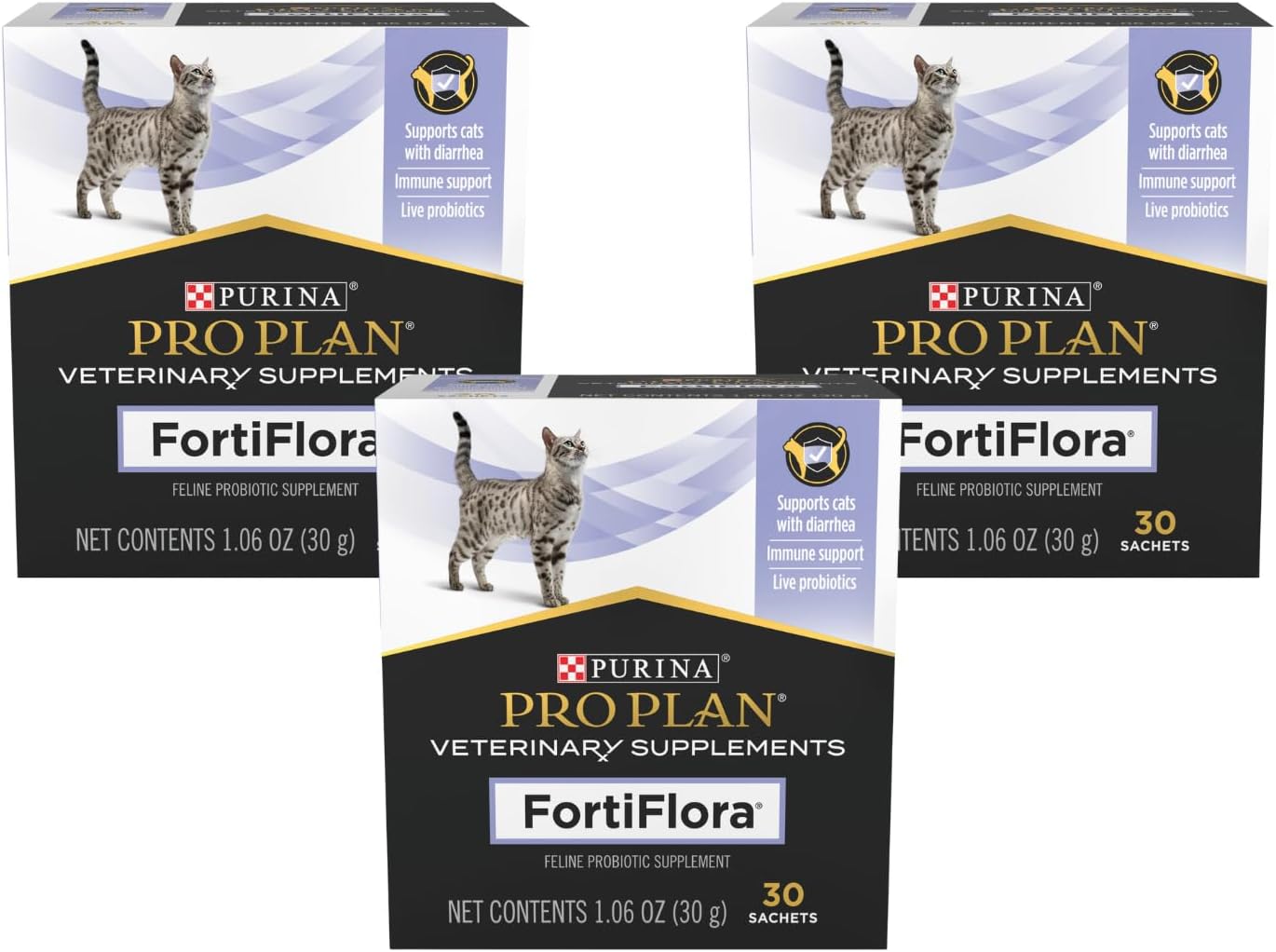
The active ingredient in FortiFlora is Enterococcus faecium SF68, and the labeled dose is one packet per dog per day. Same packet for a 6 lb Chihuahua and a 90 lb Rottweiler. That's not a mistake on Purina's part — colonization is a function of bacterial counts hitting an effective level, and at one packet the threshold is met for most dog sizes. But it does mean the relative bacterial load per kg of body weight is much higher in small breeds.
A 50 lb dog absorbing a packet's worth of new microorganisms experiences a modest microbiome shift. A 7 lb dog absorbs the same dose in a gut that's a tenth the size. The shift is more dramatic, the fermentation is more concentrated, and the gas is more noticeable.
This is mechanism, not a bug. Small dogs are reacting normally — they just have less buffer.
The typical timeline in small breeds
Most small dogs follow this pattern:
- Day 1: Mild gas, sometimes nothing. Stool may soften slightly.
- Day 2-3: Peak gas. This is when owners worry the most. Stools may be looser. Some dogs cut back on food a bit.
- Day 4-5: Gas starts decreasing. Appetite normalizes.
- Day 6-7: Most dogs are back to baseline gas levels with firmer stool than where they started.
If your small dog is still passing significant gas at day 10, the adjustment phase is over and something else is going on. That could be the food, an unrelated GI issue, or a sign the supplement isn't a good fit for this dog.
What you can do to make it easier
A few things help small dogs through the adjustment period without dropping the supplement entirely:
Split the packet. Open the foil sachet and tip half into the morning meal, half into dinner. The total daily dose is the same, but the gut isn't hit with all of it at once. This isn't on the official label, but it's a common vet recommendation for tiny breeds.
Start during a stable week. Don't start FortiFlora during a kennel stay, after a vet visit, right before company comes over, or during a food change. Adjustment plus stress plus diet shift compounds the gas problem.
Mix it into wet food. Dry kibble plus a powder coating tends to produce more gas than the same amount mixed into a tablespoon of wet food. The wet matrix slows fermentation and spreads the bacterial dose more evenly through the gut.
Keep activity moderate. Walks are fine and even helpful — they keep gas moving. Avoid running, fetching, or wrestling on a full belly during the first week.
Breeds where this matters most
Some small breeds seem particularly sensitive to the adjustment phase:
- Yorkshire Terriers — small gut, often eat fast, gas is very visible
- Chihuahuas — same issue, plus they're prone to skipping meals when they don't like a flavor
- Maltese — sensitive stomachs to begin with
- Miniature Dachshunds — long body, gas distension shows more
- Pomeranians — react to dietary changes generally
- Toy Poodles — usually tolerate well but can be picky about the flavor
Larger toy breeds (Pugs, Shih Tzus, Boston Terriers around 15-20 lbs) generally handle FortiFlora similarly to medium breeds. The real adjustment story is in dogs under 10 lbs.
When it's not just adjustment
Some patterns mean the gas isn't an adjustment effect:
- Gas plus food refusal lasting more than 48 hours
- Gas with vomiting in the same day
- Gas with bloody or mucusy stool
- Gas plus lethargy or unusual behavior
- Hard, distended belly that doesn't soften when your dog relaxes
- Gas still going strong past day 10
Any of these need a vet visit, not more time on the supplement.
When to call your vet
- Vomiting more than once in the same day
- Refusing both food and water
- Hard or painful belly
- No improvement in gas or stool by day 10
- Any signs of weakness, pale gums, or collapse
For most small dogs, this is a 5-7 day inconvenience that ends with a calmer gut than before. Patience usually pays off. If patience isn't paying off, the product probably isn't the right tool for this particular dog.